
Ice, thaw and the damage the freeze left behind.
Late winter — February and March
Ice dams and their aftermath
Ice at the eaves forces water backwards under the shingles. The stain usually shows up during the thaw, days after the ice has gone, which is why the cause is so often missed.
Storm damage from the winter
Lifted shingles, cracked flashing and loose ridge caps that survived until the first spring rain and then did not.
Gutter and downspout checks
Frozen and re-frozen debris splits seams and pulls hangers out of the fascia.
Attic condensation
Frost inside the attic in February is a ventilation problem, not a roof leak — and it damages the deck all the same.
The best window in the year for planned work.
Spring — April, May and June
Full inspection and condition report
Everything the winter did, photographed and written down before the summer storms arrive.
Replacement season begins
Mild dry weather is when a roof should be replaced. Booking in spring is also how you avoid an emergency price in November.
Gutter cleaning and re-pitching
Blossom, seed and grit from the winter come out now, and any run that no longer drains gets re-pitched.
Flashing and sealant renewal
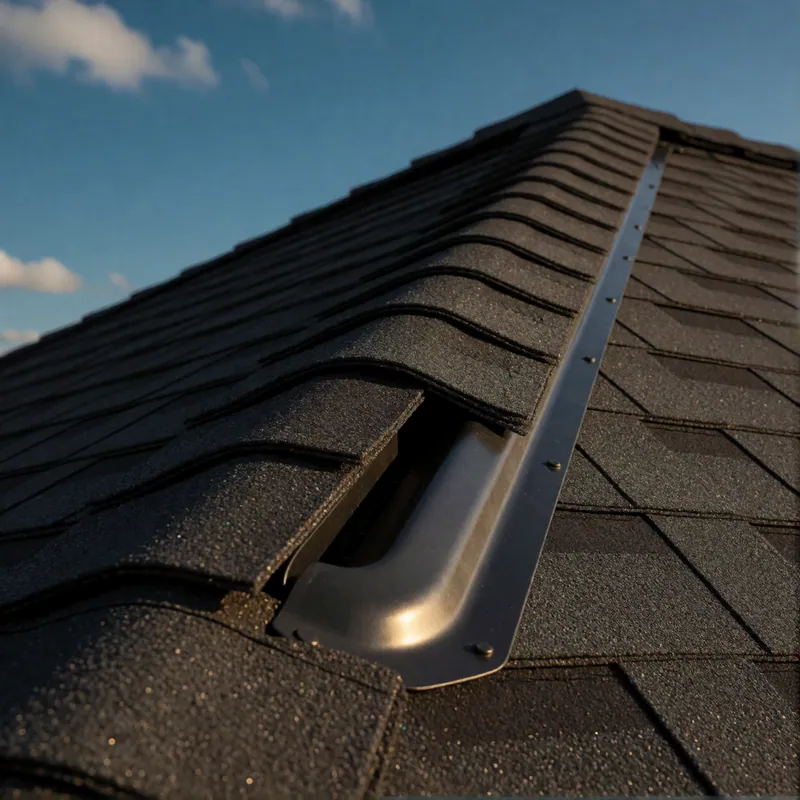
Chimneys, skylights, vents and pipe boots — the parts that fail long before the shingles do.
Heat, sudden downpours and the tail of hurricane season.
Summer — July, August and September
Downpour leak calls
A summer cloudburst finds every blocked drain and undersized gutter in Queens within about twenty minutes.
Reflective coatings
The right time to coat a flat roof: long dry spells, warm surfaces, and an immediate cut in the cooling load underneath.
Heat and ventilation checks
An attic over 140°F is cooking the shingles from below and shortening the life of the whole roof.
Storm readiness for flat roofs
Drains, scuppers and overflow paths cleared before the season's first serious storm rather than during it.
The last chance before the weather closes the window.
Autumn — October, November and December
Leaf clearing, twice
Once when the leaves fall and once after the last of them. A single clearing in October is not enough on a street with mature trees.
Pre-winter inspection
Small repairs are cheap in October and expensive in January, when they involve a tarp, a headlamp and a wet ceiling.
Ice dam prevention
Ventilation and insulation work done now is what stops the ice forming in the first place.
Emergency repairs and tarping
Nor'easter season. This is when the 24-hour line earns its keep.
The one that matters most here
Ice dams are an attic problem wearing a roof costume
Every February we get calls about ceiling stains that appear during a thaw, days after the snow stopped. The roof is almost always fine. What is happening is that heat escaping into the attic melts snow on the upper roof, the meltwater runs down to the cold overhang and refreezes there, and the ice dam that builds up forces the next lot of water uphill under the shingles.
Which is why chipping at ice, running heated cables and re-sealing the eaves all fail: none of them touch the cause. Air-sealing the ceiling plane, insulating properly and ventilating with balanced intake and exhaust keeps the roof deck cold, and a cold roof deck cannot form an ice dam.
In one line
If you only do four things a year
- Clear the gutters twice — once when the leaves fall and once after the last of them. On a street with mature trees, three times.
- Get it inspected in the spring, when everything the winter did is still visible and repairs are cheap and unhurried.
- Look in the attic on a cold January morning. Frost on the underside of the deck is a ventilation problem you can fix before it becomes a rot problem.
- Have it looked at after any real storm. It is free after a named storm, and the most common wind damage is invisible from the ground.
Two visits a year
Put the roof on a schedule
From $189 a year for a house: two inspections, gutters cleared, minor repairs included, a photographic report each time, and no call-out charge when something does go wrong.