Water coming through the ceiling? The emergency line is answered by a person, 24 hours a day, every day of the year — we tarp and make safe first, and estimate in daylight. Call 000-000-0000
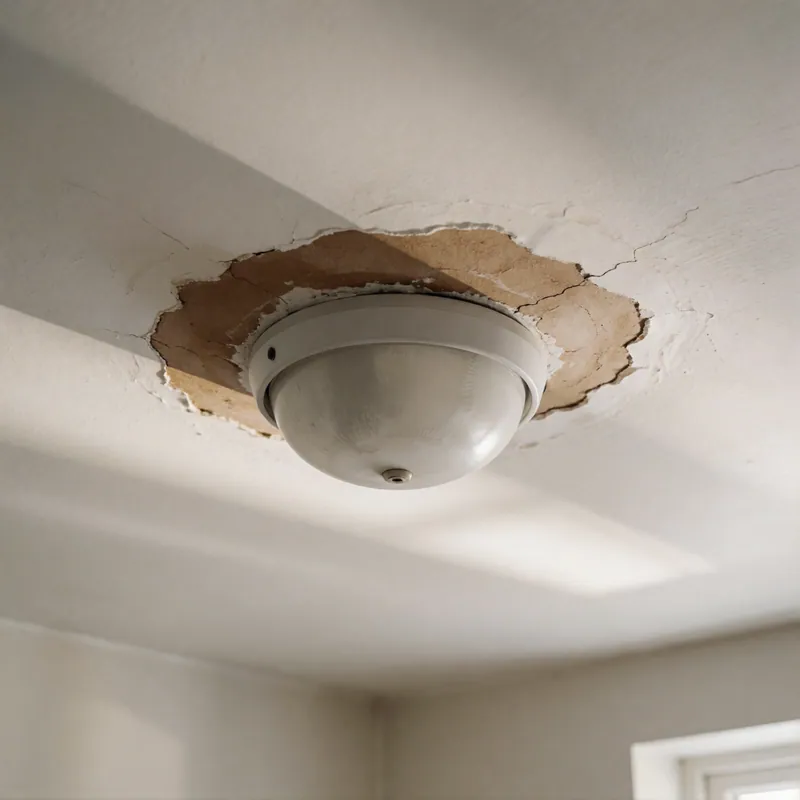
Water does not travel straight down. It comes through the roof at one point, runs along the top of a rafter or the underside of the deck, sometimes for ten or fifteen feet, and drops through the ceiling somewhere else entirely. This is why the stain on your ceiling is a very poor guide to where the hole is, and why sealing what is directly above it so often achieves nothing at all.
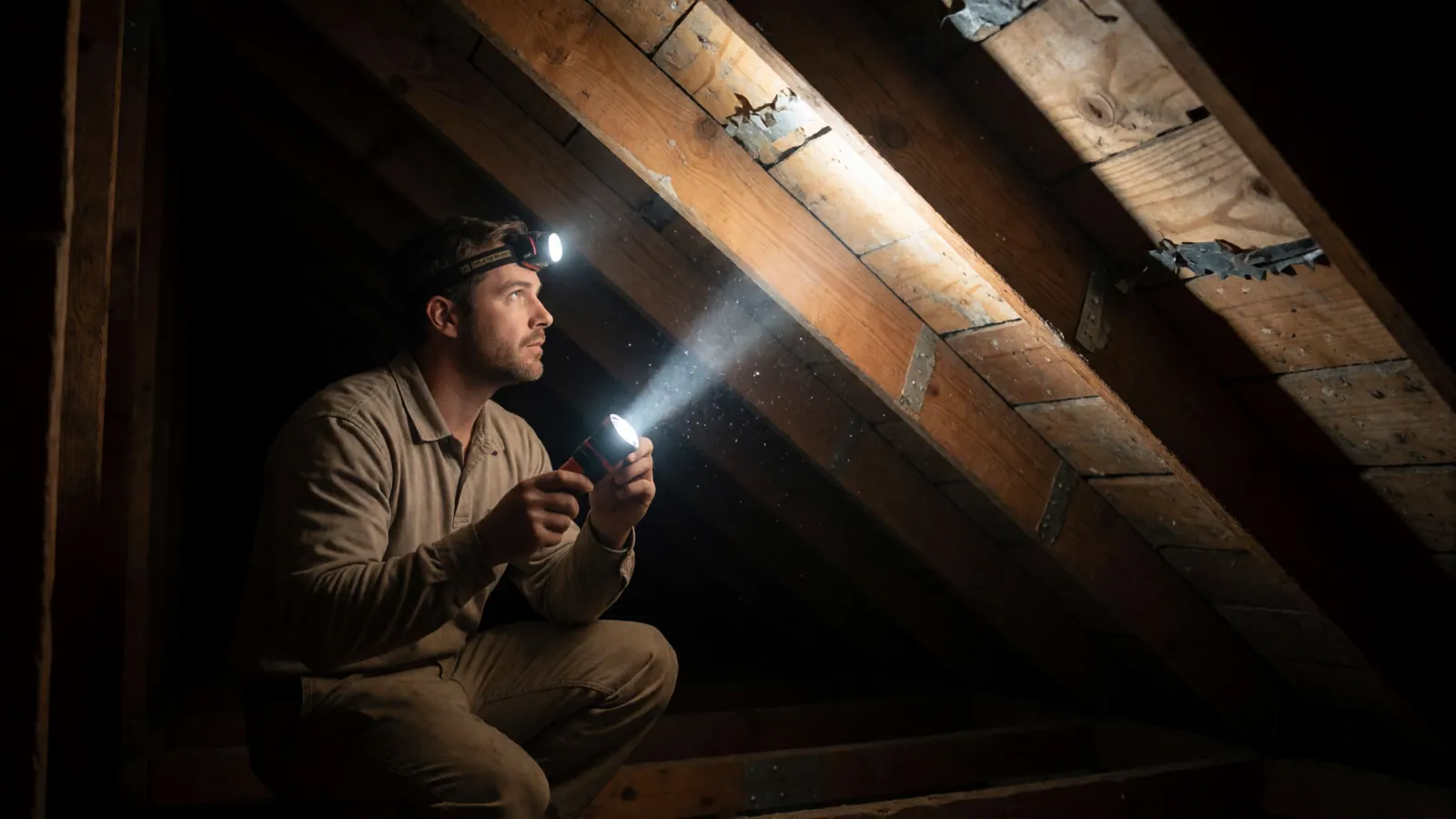
So we work from the inside out. The attic, where there is one, is where the truth lives: a torch held at a low angle picks out the dry water tracks on the timber and follows them uphill to the point of entry. Where the attic is finished or inaccessible we test from outside instead — a hose run for ten or fifteen minutes on one small area at a time, working from the bottom of the roof upwards, with someone inside watching. It takes patience and it is the only method that actually proves anything.
Once we know where it enters, we fix that. And because we can point at it, we can warrant it — which is not something anybody can honestly do for a repair they guessed at.
Where roof leaks genuinely come from
In thirty years of Queens roofs, this list covers the overwhelming majority. Note how few of them are the shingles themselves.
Flashing at walls and chimneys
The single most common source. Step flashing that was re-used on the last roof, counter-flashing that was never cut into the brick, or mortar joints that have simply weathered out.
Pipe boots and vent collars
The rubber collar around a plumbing vent perishes and splits in 10 to 15 years — far sooner than the roof around it. A very frequent cause and an inexpensive fix.
Valleys
Valleys carry more water than any other part of the roof. Worn valley metal, or shingles cut too tight into the valley, will leak in heavy rain and stay perfectly dry in light rain.
Skylights
Rarely the glass. Almost always the flashing kit around it, or a curb that was site-built without a proper head flashing.
Ice dams
A winter-only leak that appears during a thaw. Water backs up behind ice at the eaves and runs uphill under the shingles. The roof is not damaged; the ventilation and insulation are the problem.
Parapets and coping
On flat roofs, the joints between coping stones and the wall behind them. A classic top-floor leak that everybody blames on the roof itself.
Blocked gutters and drains
Water that cannot leave backs up over the drip edge and into the fascia and soffit. It presents exactly like a roof leak and is not one.
Nail pops and missing shingles
Straightforward, visible and, compared with everything above, uncommon as an actual leak source.
Leaks that are not roof leaks
A meaningful share of the ceiling stains we look at are not the roof at all. We will tell you when yours is one of them, and we will not charge you for a repair you do not need.
Condensation
An under-ventilated attic in winter forms frost on the underside of the deck, which melts and drips. It looks exactly like a leak and it appears in cold clear weather rather than in rain — which is the giveaway.
Plumbing above
A bathroom or a riser on the floor above. If the stain appears when nobody has had rain but somebody has had a shower, it is not us you want.
Air-conditioning condensate
Blocked condensate lines and overflowing pans, almost always beginning in the first hot week of the summer.
Wind-driven rain at walls
Water entering through failed pointing, a window head or a cracked parapet, then tracking inward. Only leaks when it rains from one particular direction — worth telling us if you have noticed that.
Chimney interiors
A chimney with no cap takes rain straight down the flue. The staining shows up around the chimney breast rather than on the ceiling field.
How a leak call runs
One visit, diagnosis and repair where we can — and where the roof needs to be dry first, we tell you that rather than working in the rain to look decisive.
Inside first
We look at the stain, the pattern and the timing, and ask when it appears — rain only, heavy rain only, wind from one direction, or in cold weather with no rain at all. That conversation alone rules out half the list above.
The attic, with a torch
Held at a low angle across the timber. Dry water tracks show as dark staining on the rafters and they lead uphill to the entry point.
The roof itself
Every flashing, penetration, valley and edge in the area the attic pointed at, photographed.
A hose test where needed
Fifteen minutes on one small area at a time, from the bottom of the roof upwards, with someone inside watching. Slow, unglamorous and conclusive.
The repair, and the price first
Quoted before we start. Most leak repairs are done on the same visit; the ones that are not are the ones that need a dry roof or a fabricated part.
Photographs and a warranty
You get pictures of what was wrong and what we did, and a written warranty on the repaired area — which is only possible because we proved where it was.
Roof Leak Repair in western Queens
Finding where the water actually gets in — proven with a hose test, not guessed at — and then fixing that, once.
Every job of this kind starts the same way: somebody climbs it, photographs it, and writes down what is actually wrong before anybody quotes a price. The survey is free, the report is yours, and you are under no obligation to use us for the work it recommends.
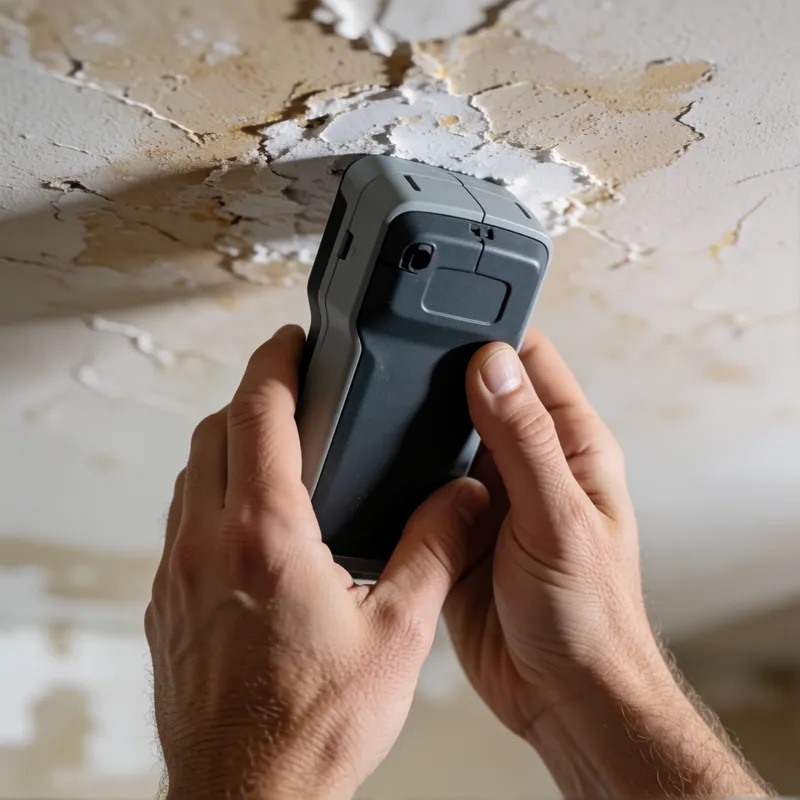
Please stay off the roof. Not in rain, not in wind, not at night, and not to fit a tarp — far more people are hurt each year on wet roofs than by the leaks they were trying to stop. Never touch a ceiling light, fan or outlet that water has reached; switch that circuit off at the panel from dry ground, and if you cannot do that safely, leave it and call an electrician. If a ceiling is bulging or sagging, keep everybody out from under it. General guidance on this page is not a substitute for somebody looking at your own roof.
Questions
Roof Leak Repair — the questions we are asked most
How much does a roof leak repair cost in Woodside, NY?
Most roof leak fixes land between $475 and $1,200 once the source is known — a pipe boot from $285, flashing at a wall or chimney from $650, a valley from $850. The $145 diagnostic covers the attic inspection, roof inspection, hose testing and photographs, and it is credited in full against any repair you approve on the same visit.
Can you find a leak that other roofers could not?
Frequently, and it is a good share of our leak work. The difference is method rather than talent: we work from the attic outwards and we hose-test one small area at a time from the bottom of the roof up. Most unsuccessful repairs happen because someone sealed the thing directly above the stain, and water very rarely enters directly above the stain.
Why does my ceiling only leak in heavy rain?
That pattern usually points at a valley, a blocked gutter or drain, or a flashing detail that light rain never overwhelms. A leak that only appears with wind from one direction is usually wind-driven rain at a wall or a parapet rather than the roof. A leak in cold, dry weather is almost always attic condensation, not a leak at all.
Can you repair the leak today?
Usually. A leak call placed on a weekday morning is almost always seen the same day and most repairs are completed on that visit. The exceptions are a roof too wet to work on safely and a repair needing a fabricated part — in which case we make it watertight and come back.
Is it worth repairing, or do I need a whole new roof?
Most roofs people assume are finished are repairable, and we say so even though the repair is the smaller sale. What genuinely ends a roof is brittle shingles that crack when lifted, widespread granule loss, a deck that flexes underfoot, or separate leaks appearing in several places in one season. Anything short of that is usually a repair.
Will my ceiling stain go away after the repair?
No — the stain is permanent and needs a stain-blocking primer and paint once everything above it has thoroughly dried out, which takes a few weeks. Do not repaint sooner: a stain that reappears through fresh paint is genuinely useful evidence that water is still getting in somewhere.
Do you warrant leak repairs?
Yes, in writing, on the repaired area. We can only do that because we prove the entry point rather than guessing — a warranty on a guessed repair would not be worth the paper. The document is handed over with the photographs when we finish.
Should I go up and look myself?
Please do not. Not in rain, not in wind, not at night. Far more people are hurt each year inspecting wet roofs than are harmed by the leaks they were worried about. Look from a window or from the street with binoculars, and let us do the climbing.
Related
Often needed alongside this
Leaks & Repairs
24/7 Emergency Roofing
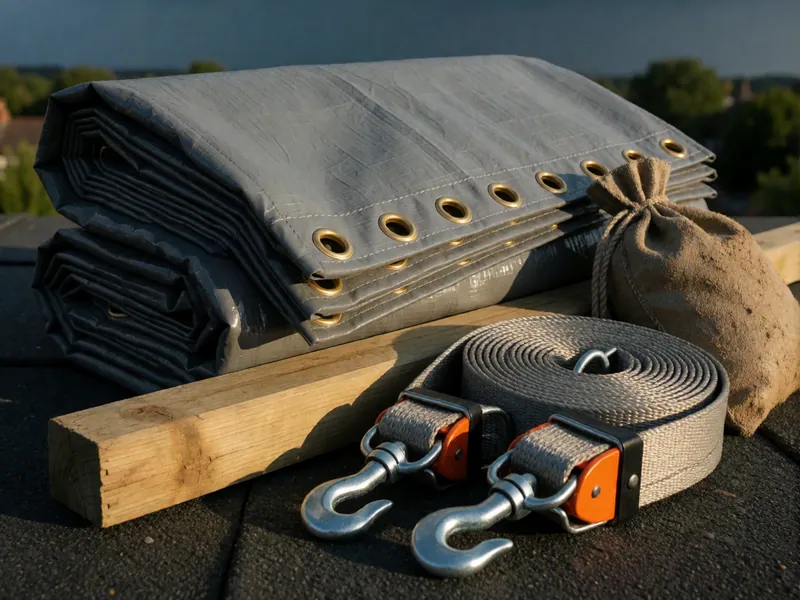
Tarped and made safe around the clock — we stop the water first and estimate in daylight, when the roof can actually be assessed.
Read more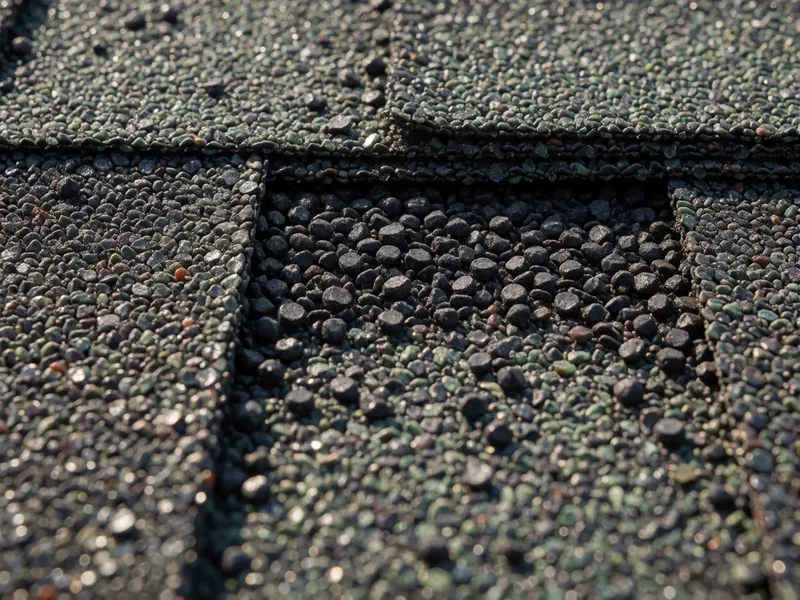
Leaks & Repairs
Storm & Wind Damage
Wind, hail and impact damage assessed and documented properly at the time of loss — which is what makes a claim straightforward.
Read more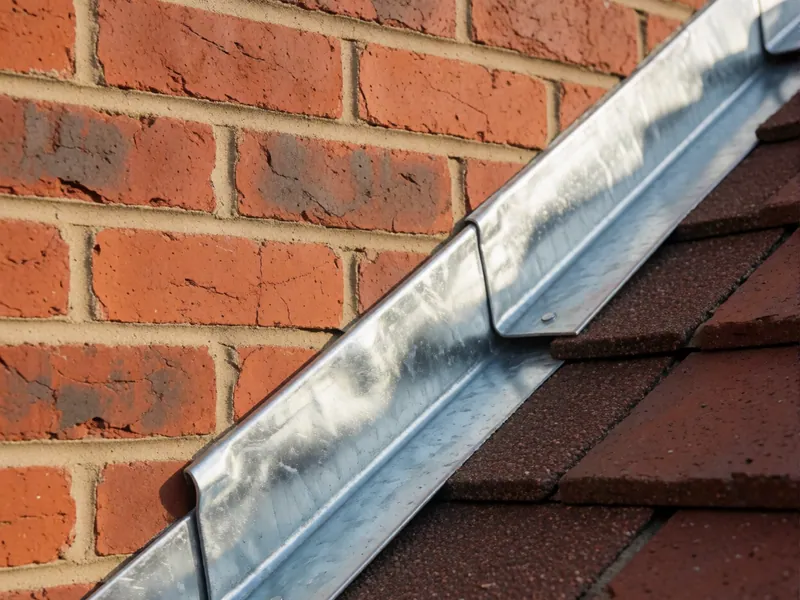
Leaks & Repairs
Flashing & Chimney Repair
The junctions where roofs actually leak — chimneys, walls, valleys and skylight kerbs — renewed rather than sealed over.
Read moreFree survey, written quote, fixed price
Get a roof quote, or call the 24-hour line
Tell us what you are seeing and we will tell you honestly whether it needs somebody tonight or whether it will keep until the morning. Surveys and written quotes are free, and leak diagnostics are $145, credited in full against any repair you approve.