Water coming through the ceiling? The emergency line is answered by a person, 24 hours a day, every day of the year — we tarp and make safe first, and estimate in daylight. Call 000-000-0000
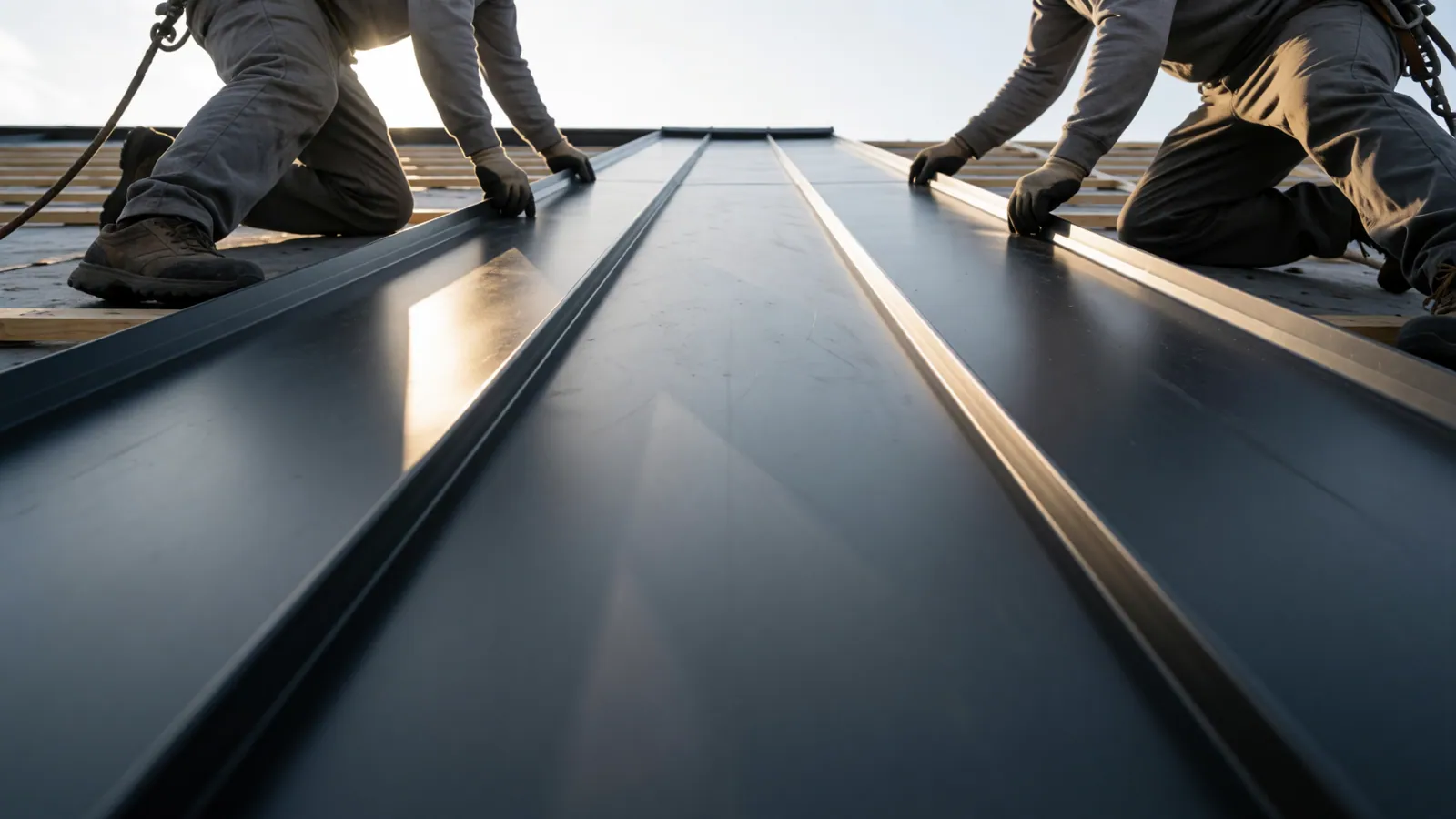
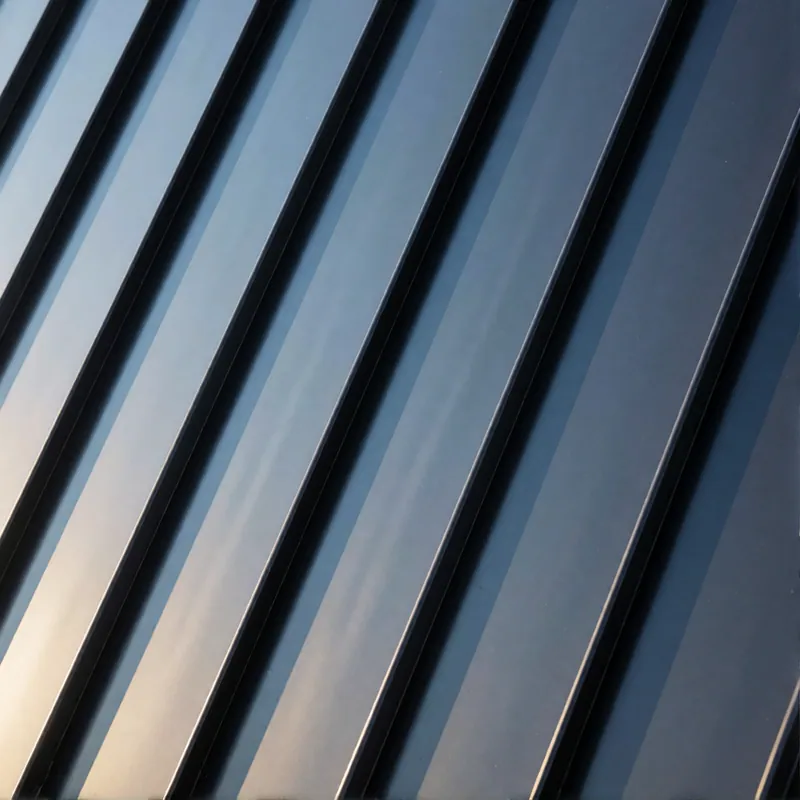
Metal roofing has an image problem in a residential street — people picture an agricultural shed. Modern standing-seam looks nothing like it: clean vertical lines, a matte factory finish in almost any colour, no visible fasteners anywhere, and a profile that suits a plain brick Queens house far better than most people expect.
The engineering argument is stronger than the aesthetic one. Fewer seams than any other system means fewer places to fail. Concealed clips let the panel expand and contract with temperature instead of tearing at a fastener. It sheds snow and rain almost perfectly, it will not lift in wind the way a shingle can, and it does not degrade under UV the way an asphalt product does.
The catch is that it is only as good as the person who forms it. Metal is unforgiving of a bad detail — a valley, a chimney or a dormer done poorly on a metal roof will leak in a way that a shingle roof would have quietly tolerated. We form panels on site rather than ordering them cut to a drawing, which is what allows the details to be right.
What we install
Two broad families, and a good deal of hand-formed detail work in between.
Standing-seam
Vertical panels joined by a raised seam, held by concealed clips. No fastener penetrates the weather surface. This is the system we specify for almost every full metal roof.
Architectural metal panels
Flat-lock, shingle-profile and interlocking panels for smaller areas, mansards, dormers and bays where a long vertical run would look wrong.
Copper
For bay-window roofs, porch roofs, dormers, finials, gutters and anything on a period building. Hand-formed on site, effectively permanent, and it is what these details were originally made from.
Metal over an existing roof
On a sound deck a metal roof can sometimes go over one existing layer on a batten system. It saves the tear-off and it is not always appropriate — we will tell you which.
Snow retention
On a metal roof above a doorway, a path or a neighbour's property, snow guards are not optional. Metal sheds an entire slope's snow at once and it does it without warning.
Why it lasts, and what shortens it
The material is close to inert. Everything that goes wrong with a metal roof is a detail or a chemistry problem.
Thermal movement
A long metal panel grows and shrinks measurably with temperature. Concealed clips allow it; screwing a panel down rigidly does not, and the panel eventually tears at the fastener or oil-cans visibly.
Exposed fasteners
A screw through the weather surface relies on a rubber washer that has a life of perhaps fifteen years. An exposed-fastener roof is cheaper and it is a maintenance commitment; standing-seam is not.
Dissimilar metals
Copper against aluminium, or steel against copper runoff, corrodes at the junction. Isolation is a detail that has to be designed, not noticed later.
Coating quality
The finish is what resists UV and chalking. We specify architectural-grade coated steel and aluminium; the cheaper coatings fade badly within a decade and cannot be repaired.
Details at penetrations
Every pipe, vent and curb needs a properly formed flashing that also allows the panel to move. This is the part that takes skill and the part that gets rushed.
The practical questions people actually ask
Three decades of answering these on doorsteps.
Noise
A metal roof over a solid deck and underlayment on an insulated attic is not audibly different from shingle in rain. The noise people remember is metal over open purlins on a barn.
Lightning
Metal does not attract lightning. It is non-combustible, which makes a metal roof marginally safer than a shingle one if lightning does strike nearby.
Denting
Architectural-gauge steel resists ordinary hail without marking. Aluminium and copper are softer and can mark, which is one reason we tend to specify steel for large exposed fields.
Walking on it
It can be walked, in the right places, in the right footwear. Anyone servicing rooftop equipment should be told where the purlins and clips are.
Solar
Standing-seam is the best roof there is for solar: clamps grip the seam, so nothing is drilled through the weather surface at all.
Questions
Metal Roofing — the questions we are asked most
How much more does a metal roof cost than shingle?
Roughly two to three times the up-front price — $1,600 to $2,400 per square against $650 to $900 for architectural shingle. Over a 50-year horizon it is usually the cheaper roof, because you are comparing one metal roof against two or three shingle roofs plus the disruption of installing them.
Is a metal roof noisy in the rain?
No, not when it is installed the way we install it: over a solid deck, over underlayment, above an insulated attic. The loud metal roof people remember is a bare sheet over open framing on a barn or a porch. On a house it is not noticeably different from shingle.
Will a metal roof make my house hotter?
The opposite. A coated metal roof reflects a great deal of solar radiation and re-emits heat quickly, so attic temperatures typically run lower than under asphalt. In lighter colours the difference on a summer afternoon is substantial.
Can metal go over my existing shingles?
Sometimes — on a sound deck with a single existing layer, over a batten or underlayment system. It saves the tear-off and disposal. It also means nobody sees the decking, so we will only recommend it where we have another reason to trust the deck.
Does a metal roof attract lightning?
No. Height and location determine where lightning strikes, not material. Metal is non-combustible and conducts a strike to ground rather than igniting, which makes it marginally safer than a combustible roof covering.
How long will it actually last?
40 to 60 years for coated steel or aluminium standing-seam, and considerably longer for copper. What ages first is usually the finish rather than the metal, and the details — flashings, boots and sealants at penetrations — will want attention long before the panels do.
Can I put solar panels on a metal roof?
It is the ideal roof for solar. Standing-seam panels accept clamps that grip the seam itself, so no fastener penetrates the weather surface at all — which removes the single biggest long-term risk of roof-mounted solar on any other roof type.
Related
Often needed alongside this
Roof Replacement & Installation
Roof Replacement
A complete tear-off and rebuild with a fixed price, a written scope, and the decking priced before we ever open the roof.
Read more
Roof Replacement & Installation
Asphalt Shingle Roofing
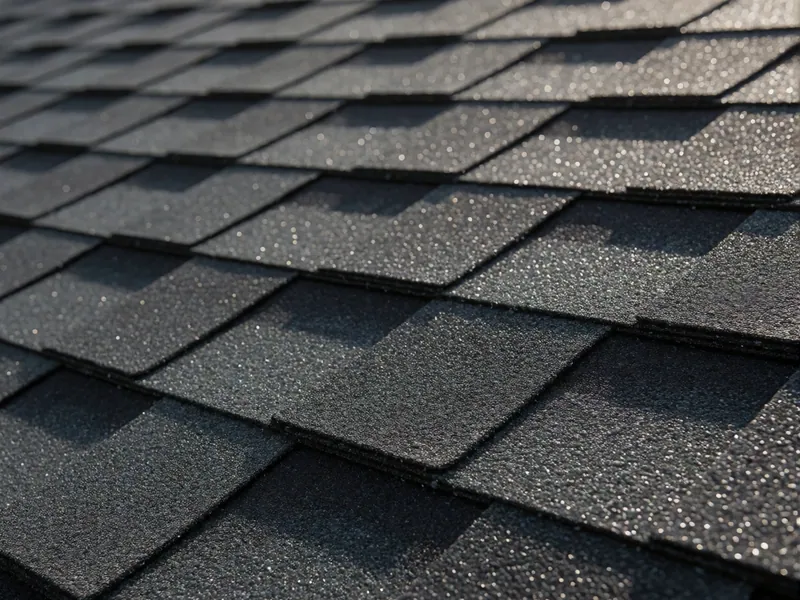
The default roof for most of Queens, installed with the flashing and ventilation details that decide whether it lasts fifteen years or thirty.
Read more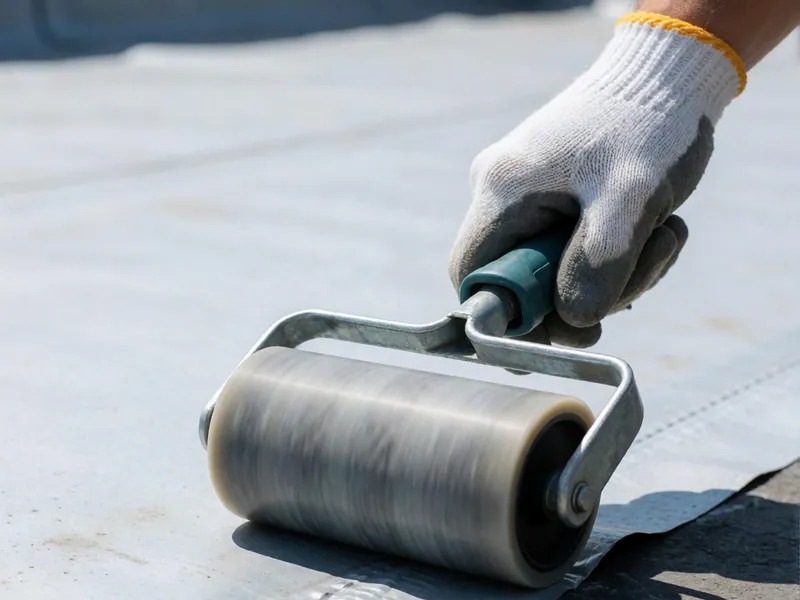
Roof Replacement & Installation
Flat & Low-Slope Roofing
Single-ply, modified bitumen and built-up roofs for the flat tops of Queens — where every failure is at a seam, a drain or a penetration.
Read moreFree survey, written quote, fixed price
Get a roof quote, or call the 24-hour line
Tell us what you are seeing and we will tell you honestly whether it needs somebody tonight or whether it will keep until the morning. Surveys and written quotes are free, and leak diagnostics are $145, credited in full against any repair you approve.