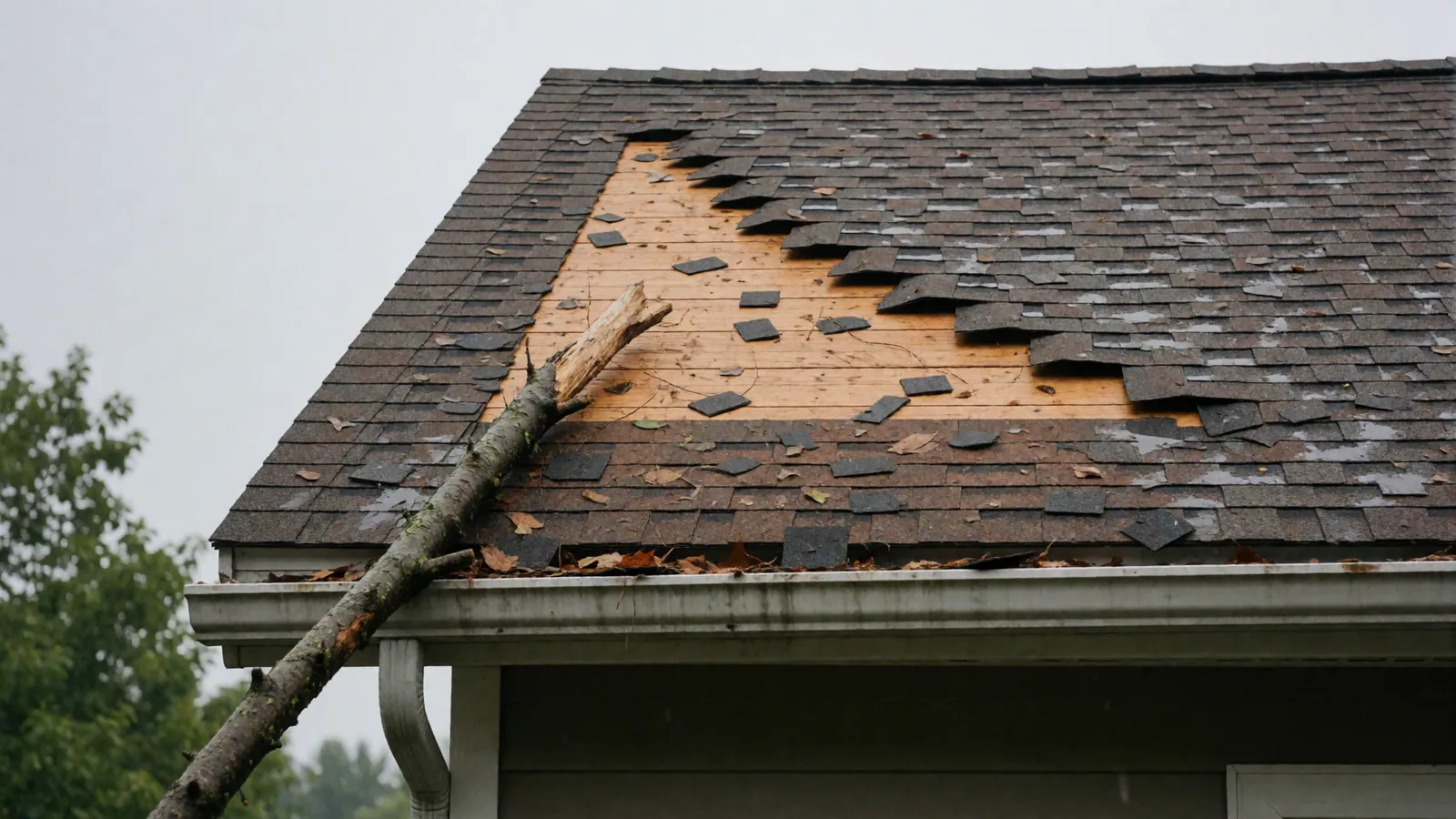
Where the line sits
What a roofer should do, and what a roofer should not
There is a clear line here and a great deal of trouble on the wrong side of it. A roofing contractor documents the physical damage and prices the repair. An adjuster and a broker deal with your policy and your settlement.
Anyone offering to “handle the whole claim”, to negotiate with your insurer on your behalf, or to waive or absorb your deductible is either practising a regulated profession they are not licensed for, or proposing insurance fraud that exposes you rather than them. Both are reasons to close the door.
- We do: inspect free after a named storm, document with dated photographs and measurements, write a scope, attend the adjuster's inspection, and explain technical gaps in writing.
- We do not: advise on your policy, negotiate your settlement, complete your claim forms, or promise you an outcome.
- We never: waive, discount or absorb a deductible. It is fraud, and it is your name on the policy.
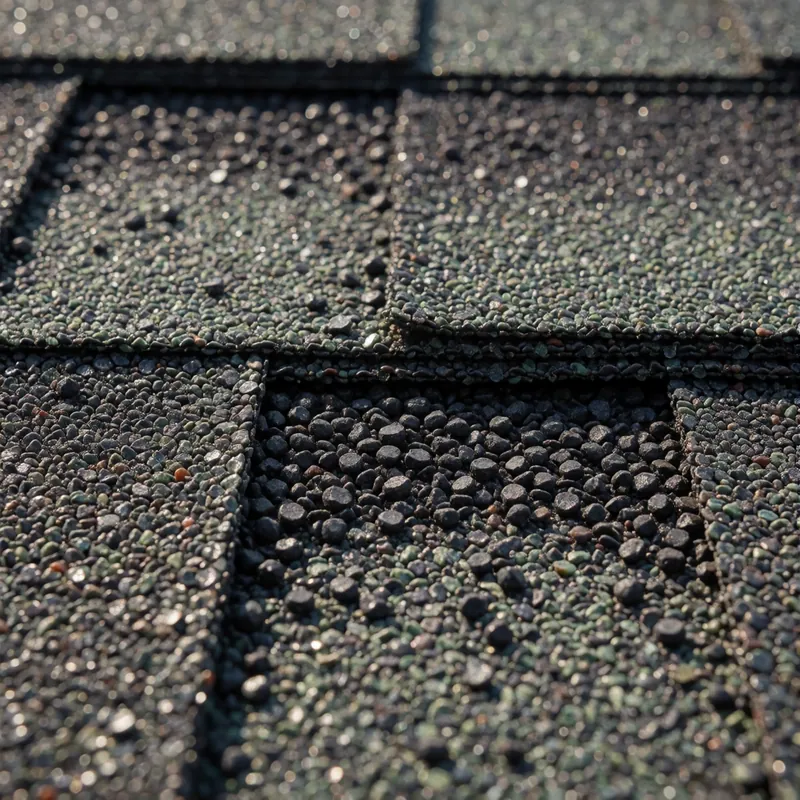
The order of events
How a storm damage claim actually runs
Six steps. The first one is the one people get wrong, because they think they have to wait.
Make it safe first, claim second
Emergency tarping and drying out are almost always covered, and no insurer expects you to leave a roof open while you wait for an adjuster. Keep every receipt and photograph the damage before anything is covered or cleared.
Report the loss promptly
Most policies require notice within a defined window after the event. Call your insurer or broker as soon as the property is safe, and write down the claim number, the date and who you spoke to.
Get the roof documented properly
We produce a dated photographic record, measurements and a written scope of the damage — the evidence an adjuster needs. Documentation created at the time of loss is worth far more than anything reconstructed weeks later.
Meet the adjuster on the roof
We will attend the adjuster's inspection with you at no charge and walk the roof with them, so that the damage we found is the damage that gets looked at.
Read the settlement against the scope
Compare what the insurer has agreed to pay for against the written scope of what the roof actually needs. Where there is a genuine gap we will explain the technical reasons in writing so you can put it to your adjuster.
Repair, and keep the file
Final photographs, the warranty and the invoice go in the same file as the claim. It is what makes the next claim, the next appraisal and the eventual sale of the building straightforward.
The knock at the door
How to tell a storm-chaser from a roofer
After every significant storm, crews arrive from out of state, sign people up, work fast and leave. Some are perfectly competent. Many are not, and by the time anything goes wrong they are three states away.
Nobody reputable knocks on your door after a storm
We do not, and neither does any established local contractor. Our work comes from the same streets we have been working on since 1994.
Ask for an address you can drive to
Ours is on Northern Boulevard in Woodside. Ask, write it down, and go and look at it.
Never sign anything on the doorstep
Especially not something described as “just an authorisation to inspect”. Those documents are frequently contracts that bind you the moment a claim is approved.
Verify the licence and insurance yourself
A licensed home improvement contractor carrying general liability and workers' compensation. Ask for the certificates and check them. Anybody legitimate expects to be asked and is not offended by it.
Treat a deductible offer as a warning
Waiving, absorbing or “building in” your deductible is insurance fraud. It is also the single clearest signal you are talking to the wrong company.
Ask who warrants the work in five years
A workmanship warranty from a company that will not be in New York next spring is a piece of paper, not a warranty.
Worth knowing
Three things people find out too late
Emergency work is expected of you, not held against you
Tarping and drying out are mitigation, and most policies both cover them and require you to act promptly. Waiting for an adjuster while a roof stays open usually makes the outcome worse, not better.
Documentation at the time of loss cannot be recreated
Dated photographs taken in the days after a storm are worth far more than anything produced a month later. This is the single highest-value thing we do for a claim, and it is free after a named storm.
Whether to claim at all is a real question
A repair costing not much more than your deductible may be better paid for directly, depending on your claims history. That is a conversation for your broker — but we will give you an honest repair figure so you have a real number to weigh it against.
Free after any named storm
Get the roof documented before you do anything else
A full inspection with a dated photographic report, free after a named storm, whether or not you have damage and whether or not you use us for the repair.